Hypertension: Symptoms, Causes, Levels, Diagnosis & Treatment Guide
Hypertension, commonly known as high blood pressure, is one of the most widespread health conditions in the world. Millions of people live with it, and many do not know they have it until complications begin. That is what makes hypertension dangerous. It often develops quietly, causes damage over time, and may not create obvious symptoms in the early stages.
The good news is that hypertension can usually be managed effectively. With early diagnosis, lifestyle improvements, regular monitoring, and medical treatment when needed, many people maintain healthy blood pressure and significantly reduce their risk of heart attack, stroke, kidney disease, and other serious problems.
This guide explains what hypertension is, common hypertension symptoms, blood pressure causes, hypertension levels, treatment options, and practical ways to protect your long-term health.
What Is Hypertension?
Hypertension is a condition where the force of blood pushing against artery walls remains consistently too high. Blood pressure naturally rises and falls throughout the day depending on activity, stress, sleep, and other factors. However, when readings stay elevated over time, it can damage blood vessels and place extra strain on the heart.
Your arteries are designed to carry blood efficiently. When pressure stays high, the heart has to work harder to pump blood throughout the body. Over months and years, this can lead to structural changes in the heart and blood vessels.
High blood pressure is often called a silent condition because many people feel normal even when readings are dangerously elevated.
Why High Blood Pressure Matters
Ignoring increased blood pressure is expensive in biological terms. It does not simply mean a number is high on a machine. It means your cardiovascular system is under chronic stress.
Uncontrolled hypertension increases the risk of:
- Heart attack
- Stroke
- Heart failure
- Kidney disease
- Vision loss
- Peripheral artery disease
- Cognitive decline and dementia
Many people wait for symptoms before taking it seriously. That is weak thinking. By the time symptoms appear, damage may already be progressing.
Understanding Blood Pressure Numbers
Blood pressure is measured using two numbers.
Systolic Pressure
The top number is systolic pressure. It measures the force in the arteries when the heart contracts and pumps blood.
Diastolic Pressure
The bottom number is diastolic pressure. It measures pressure when the heart relaxes between beats.
Example Reading: 120/80
A reading of 120/80 means:
- 120 systolic
- 80 diastolic
Both numbers matter. Some people focus only on the top number. That is incomplete. Elevated diastolic pressure can also indicate risk.
Hypertension Levels Explained
Blood pressure categories can vary slightly by country and guideline, but a common framework is:
Normal Blood Pressure
Below 120/80
Elevated Blood Pressure
120 to 129 systolic and below 80 diastolic
Stage 1 Hypertension
130 to 139 systolic or 80 to 89 diastolic
Stage 2 Hypertension
140 or higher systolic or 90 or higher diastolic
Severe Hypertension
Markedly elevated readings that require urgent assessment
Hypertensive Crisis
A reading such as 180/120 or higher, especially with symptoms, may require emergency care.
Do not self-diagnose from one reading. Diagnosis usually requires multiple readings over time.
Hypertension Symptoms to Watch For
Many people with hypertension have no symptoms at all. That is why routine checks matter.
When symptoms do occur, they may include:
- Headaches
- Dizziness
- Blurred vision
- Palpitations
- Shortness of breath
- Fatigue
- Nosebleeds
- Chest discomfort
These symptoms are not specific to hypertension alone, but they should not be ignored.
High BP Symptoms That Need Urgent Review
If you have high readings plus any of the following, seek medical help promptly:
- Severe headache
- Chest pain
- Sudden weakness
- Difficulty speaking
- Vision changes
- Breathlessness
- Confusion
Waiting to “see if it passes” is a common mistake.
Hypertension Causes
Hypertension is not one single disease with one single cause. It usually develops through a mix of genetics, ageing, environment, and lifestyle.
Primary Hypertension
This is the most common form. It develops gradually over time with no single direct cause.
Contributors include:
- Family history
- Ageing
- Weight gain
- Poor diet
- Low activity levels
- Chronic stress
- Smoking
- Excess alcohol
Secondary Hypertension
This type results from another identifiable condition.
Common causes include:
- Kidney disease
- Thyroid disorders
- Adrenal gland disorders
- Sleep apnea
- Certain medications
- Pregnancy-related conditions
If blood pressure rises suddenly or becomes hard to control, doctors may investigate secondary causes.
Common Blood Pressure Causes in Daily Life
Many people look for dramatic explanations while ignoring obvious daily drivers.
Excess Salt Intake
High sodium intake can increase fluid retention and raise blood pressure.
Obesity
Extra body weight increases demand on the heart and vascular system.
Sedentary Lifestyle
Lack of movement weakens cardiovascular efficiency.
Chronic Stress
Stress hormones can temporarily raise blood pressure and drive unhealthy coping habits.
Poor Sleep
Sleep deprivation and sleep apnea are strongly linked to hypertension.
Smoking
Nicotine constricts blood vessels and damages artery walls.
Heavy Alcohol Use
Regular excess alcohol can increase blood pressure and reduce treatment effectiveness.
Risk Factors for Increased Blood Pressure
You are more likely to develop hypertension if you have:
- Family history of high blood pressure
- Age over 40, though younger adults can develop it too
- Overweight or obesity
- Diabetes
- Kidney disease
- Smoking history
- Sedentary lifestyle
- High stress environment
- Poor diet high in processed foods
Risk factors are not destiny. They are signals to act earlier.
Types of Hypertension
Primary Hypertension
Gradual onset, no single direct cause.
Secondary Hypertension
Caused by another medical issue.
White Coat Hypertension
Blood pressure is high in clinical settings but normal elsewhere, often due to anxiety.
Resistant Hypertension
Blood pressure remains high despite using multiple medications appropriately.
Isolated Systolic Hypertension
The systolic number is high while the diastolic number remains normal. This is common in older adults due to artery stiffness.
How Hypertension Is Diagnosed
Diagnosis should be structured, not casual.
Clinic Readings
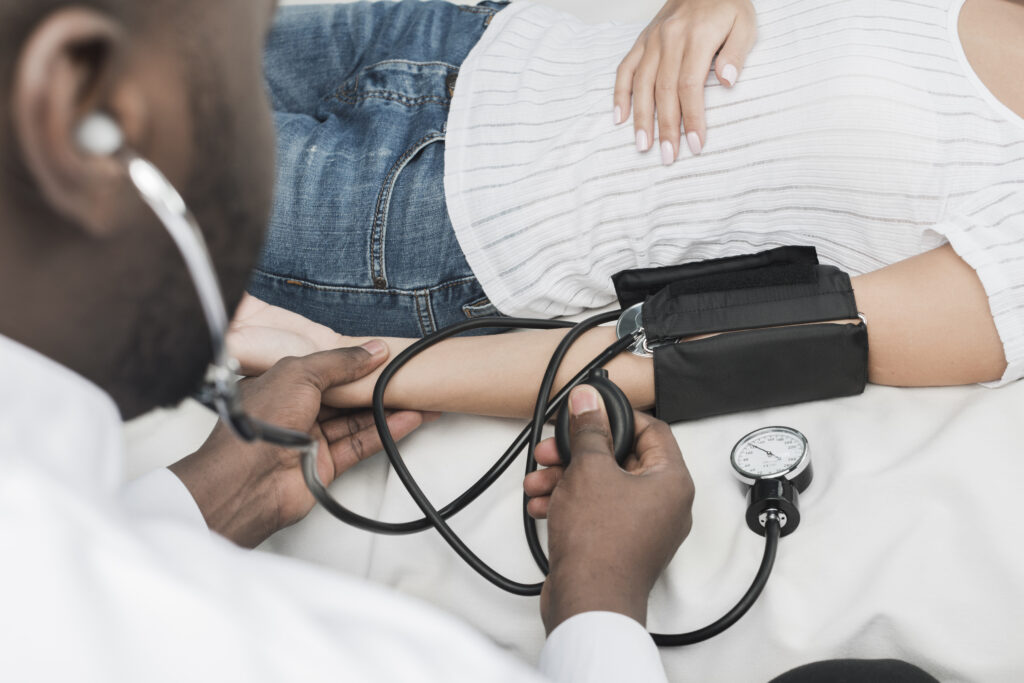
A doctor or nurse measures blood pressure using a cuff.
Home Monitoring
Many people are advised to record readings at home over days or weeks.
Ambulatory Monitoring
A portable monitor checks blood pressure over 24 hours during normal daily life.
Additional Tests
Doctors may request:
- Blood tests
- Urine tests
- Kidney function checks
- Cholesterol tests
- ECG or heart tests
- Eye exams in some cases
These help assess causes and complications.
How to Measure Blood Pressure Correctly at Home
Bad technique creates bad data.
Best Practices
- Rest quietly for 5 minutes first
- Sit upright with back supported
- Keep feet flat on the floor
- Support the arm at heart level
- Use the correct cuff size
- Avoid caffeine, smoking, or exercise 30 minutes before testing
- Take readings at similar times daily
Keep a Log
Track:
- Date
- Time
- Reading
- Notes such as stress, symptoms, or missed medication
This gives your doctor useful patterns rather than random numbers.
Hypertension Treatments
Treatment depends on severity, risk profile, age, and other health conditions.
Lifestyle Hypertension Treatments
For many people, lifestyle changes are foundational.
Weight Loss
Even modest weight reduction can lower blood pressure.
Regular Exercise
Aim for consistent aerobic movement such as brisk walking, cycling, or swimming.
Lower Sodium Intake
Reduce processed foods, takeaways, and hidden salt sources.
Better Sleep
Sleep quality directly affects blood pressure control.
Stress Management
Use practical tools such as exercise, therapy, breathing techniques, or workload restructuring.
Stop Smoking
This is non-negotiable if you want cardiovascular improvement.
Limit Alcohol
Moderation matters.
Medical Hypertension Treatments
When lifestyle change alone is not enough, medication may be required.
Common classes include:
- ACE inhibitors
- ARBs
- Calcium channel blockers
- Diuretics
- Beta blockers
Doctors choose medication based on age, ethnicity, kidney function, heart history, side effects, and other conditions.
Combination Therapy
Many people need more than one medication. That is not failure. It is normal clinical management.
Hypertension Medication Side Effects
Every effective intervention has trade-offs. Know them.
Possible side effects include:
- Dizziness
- Fatigue
- Frequent urination
- Swelling in ankles
- Dry cough
- Reduced exercise tolerance in some cases
Do not stop medication abruptly because of side effects. Speak with your doctor. Often the dose or medication can be adjusted.
Best Diet for High Blood Pressure
Diet is one of the highest leverage interventions.
DASH Diet Explained
The DASH diet was designed to help lower blood pressure.
It emphasizes:
- Fruits
- Vegetables
- Whole grains
- Beans
- Nuts
- Lean protein
- Low-fat dairy
- Lower sodium intake
Foods to Reduce
- Processed meats
- Packaged snacks
- Fast food
- Sugary drinks
- Excess alcohol
- High-sodium sauces and seasonings
If your diet is built on convenience foods, do not expect ideal blood pressure.
Natural Ways to Lower Hypertension
Lifestyle methods can be powerful, especially when consistent.
Exercise
150 minutes per week of moderate activity is a strong baseline target.
Weight Reduction
Abdominal fat is particularly associated with hypertension risk.
Stress Management
If your stress is chronic, pretending it is normal is costing you physiologically.
Sleep Improvement
Address insomnia, poor sleep habits, and sleep apnea risk.
Sodium Reduction
Many people underestimate how much sodium they consume.
Can Natural Methods Replace Medication?
Sometimes lifestyle change is enough in early or mild cases. Sometimes it is not. Ideology should not override medical reality.
Complications of Untreated Hypertension
This is where denial gets punished.
Heart Attack
Damaged arteries increase blockage risk.
Stroke
High pressure can rupture or block brain blood vessels.
Heart Failure
The heart weakens after prolonged overwork.
Kidney Damage
Kidneys rely on delicate blood vessels that hypertension can destroy.
Vision Loss
Retinal vessels can be damaged over time.
Cognitive Decline
Poor vascular health affects brain performance.
Hypertension in Special Groups
High Blood Pressure During Pregnancy
Pregnancy-related hypertension can be serious.
Conditions include:
- Gestational hypertension
- Preeclampsia
These require medical supervision.
Older Adults
Artery stiffness increases risk, especially isolated systolic hypertension.
Younger Adults
Hypertension in younger adults is often overlooked because they “feel fine.” That is lazy medicine and lazy self-management.
When High Blood Pressure Is an Emergency
Seek urgent medical help if you have severely elevated readings with symptoms such as:
- Chest pain
- Severe headache
- Trouble breathing
- Confusion
- Seizure
- Sudden weakness
- Vision changes
Do not crowdsource emergency care decisions online.
How Often Should You Check Blood Pressure?
Healthy Adults
Periodic routine checks during standard health visits.
Adults With Risk Factors
More regular checks are sensible.
Diagnosed Hypertension
Follow your doctor’s monitoring plan. Many patients benefit from home checks several times weekly or as advised.
After Treatment Changes
More frequent monitoring may be needed after starting or adjusting medication.
Can Hypertension Be Prevented?
Often yes, or at least delayed and reduced in severity.
Prevention Habits
- Maintain healthy body weight
- Exercise regularly
- Eat a balanced low-sodium diet
- Avoid smoking
- Moderate alcohol
- Manage stress
- Sleep well
- Attend health screenings
People often search for a miracle solution while ignoring these fundamentals.
Living Well With Hypertension
A diagnosis is not the end of normal life. It is a signal to become disciplined.
Build Long-Term Habits
Short bursts of motivation are weak. Systems win.
Medication Adherence
Take medication consistently.
Follow-Up Appointments
Monitoring allows treatment refinement.
Track Progress
Watch trends over months, not emotions over days.
Frequently Asked Questions
Can you have hypertension without symptoms?
Yes. Many people do.
What are the first high BP symptoms?
Often none. Some notice headaches, dizziness, or blurred vision.
Can stress cause increased blood pressure?
Yes, especially temporary spikes. Chronic stress can also contribute long term.
Is 140/90 considered hypertension?
In many guidelines, yes.
Can hypertension be cured permanently?
Sometimes major lifestyle change normalizes readings, but many people require ongoing management.
What is the fastest safe way to lower blood pressure?
Long-term control comes from proper treatment. If readings are dangerously high, seek medical care rather than chasing hacks.
Is hypertension hereditary?
Family history increases risk.
Can dehydration affect blood pressure?
Yes. It can affect blood pressure in different ways depending on the situation.
Conclusion
Hypertension is common, serious, and manageable. The danger is not the diagnosis. The danger is neglect.
If you understand hypertension symptoms, blood pressure causes, hypertension levels, and treatment options, you can take control early and reduce long-term risk.
The winning strategy is simple:
- Measure regularly
- Improve lifestyle habits
- Follow treatment plans
- Stay consistent
- Review progress over time
Health is rarely destroyed in one day and rarely rebuilt in one day. Hypertension management rewards disciplined action over excuses.