High blood pressure — or hypertension — is one of the most common and most preventable chronic conditions in the world. Yet millions of people live with it undiagnosed, or manage it poorly, not because they lack willpower but because they lack clear, practical information. This guide brings everything together: what ideal blood pressure looks like, how to control and reduce hypertension, and how to handle specific patterns like morning spikes and white coat readings.
Blood pressure is the force your blood exerts on the walls of your arteries as your heart pumps it around your body. It is recorded as two numbers — for example, 120/80 mmHg. The top number (systolic) measures pressure when your heart beats; the bottom number (diastolic) measures pressure when your heart rests between beats.
These numbers are not static. Blood pressure naturally rises and falls throughout the day in response to activity, stress, food, hydration, sleep, and even the time of day. What matters clinically is the average pattern over time — not a single reading.
When blood pressure remains consistently elevated, it puts sustained stress on your arteries, heart, kidneys, and brain. Over years, this silent pressure leads to serious complications — including heart attack, stroke, and kidney failure — often without any warning symptoms.
Keyword: ideal blood pressure levels
Understanding blood pressure categories helps you know where you stand and what action, if any, is needed.
Normal / Ideal: Below 120/80 mmHg
Elevated: Systolic 120–129 mmHg, diastolic below 80 mmHg
Stage 1 Hypertension: 130–139 / 80–89 mmHg
Stage 2 Hypertension: 140/90 mmHg or higher
Hypertensive Crisis: Above 180/120 mmHg — seek emergency care
The concept of ideal blood pressure refers to the range associated with the lowest cardiovascular risk. For most adults, this means staying below 120/80 mmHg. However, what is considered optimal can shift slightly depending on age, underlying health conditions, and medications.
Keyword: ideal blood pressure
Reaching and sustaining optimal blood pressure is not about a single intervention — it is the cumulative result of multiple lifestyle factors working together.
Diet: Follow a low-sodium, potassium-rich diet — such as the DASH (Dietary Approaches to Stop Hypertension) diet. Reduce processed foods, increase fruits, vegetables, whole grains, and lean proteins.
Exercise: Aim for at least 150 minutes of moderate-intensity aerobic activity per week. Regular exercise strengthens the heart and reduces arterial stiffness.
Sleep: Poor or insufficient sleep is strongly linked to elevated blood pressure. Target 7–9 hours of quality sleep nightly.
Stress Management: Chronic psychological stress activates hormonal pathways that raise blood pressure. Mindfulness, deep breathing, yoga, and adequate rest all help.
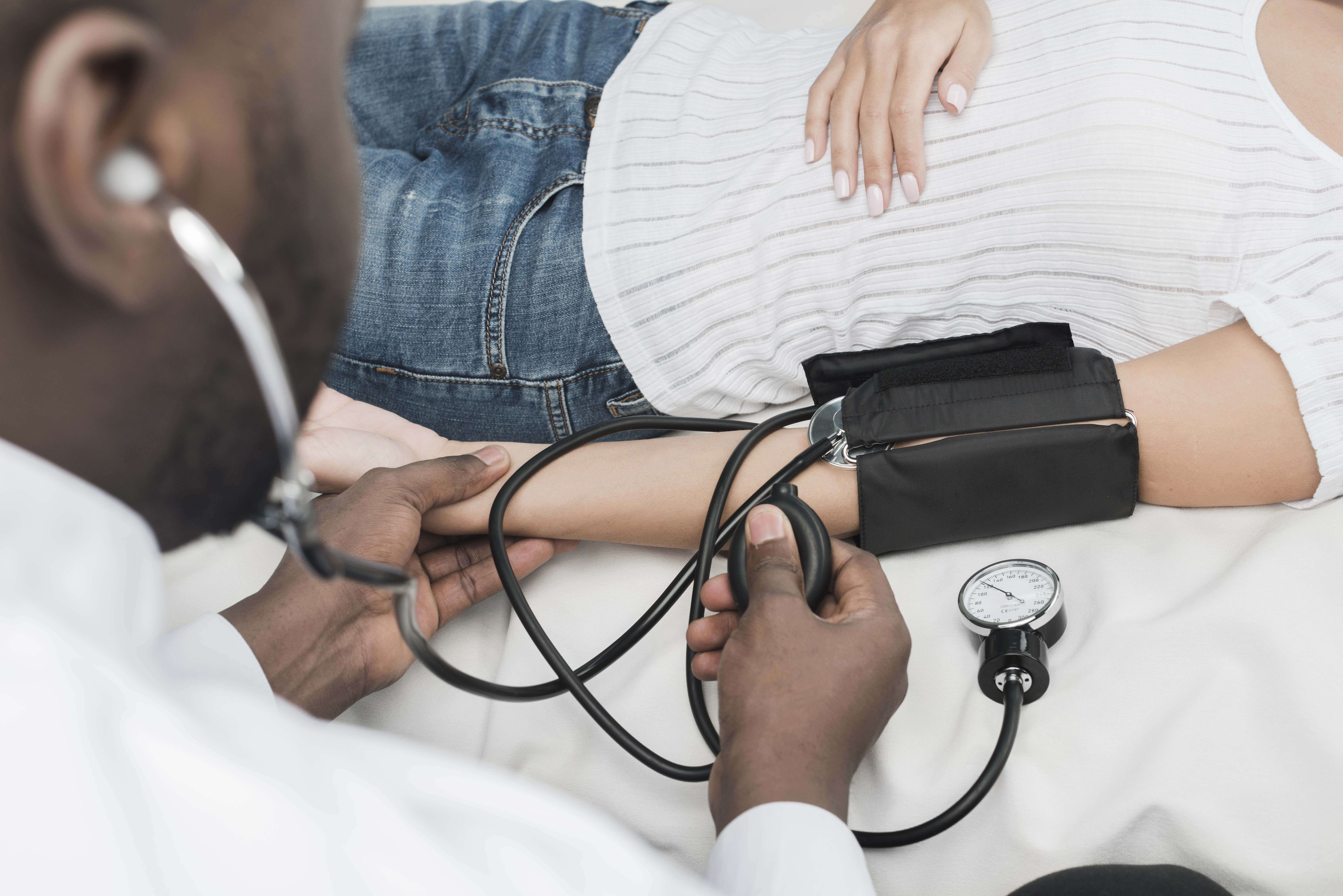
Monitoring: Regular self-monitoring at home using a validated upper-arm cuff provides a more accurate picture than occasional clinic readings.
For most people, consistent monitoring combined with the lifestyle habits above is enough to maintain blood pressure in the optimal range. If readings remain elevated despite these measures, a conversation with a healthcare provider about medication is the sensible next step.
Keyword: optimal blood pressure
Keyword: high bp control
Hypertension is often called the ‘silent killer’ because it typically presents no obvious symptoms until significant damage has already occurred. This is precisely why active, ongoing management is essential — not just crisis intervention when things go wrong.
Effective high BP control involves a combination of lifestyle modification and, where appropriate, medication. The goal is not just to bring numbers down temporarily but to keep them consistently within a safe range over years and decades.
Short-term control focuses on immediate reductions — through dietary changes, reducing alcohol intake, or starting medication. Long-term control means embedding sustainable habits and regularly reviewing your treatment plan with a doctor.
Home blood pressure monitors: Use a validated upper-arm cuff. Sit quietly for five minutes before measuring. Take readings in the morning and evening, and record them in a log or app.
Dietary sodium reduction: Most people consume far more sodium than they need. Cutting processed foods, ready meals, and added salt can reduce systolic blood pressure by 5–10 mmHg.
Physical activity: Both aerobic exercise (walking, cycling, swimming) and resistance training contribute to blood pressure reduction.
Alcohol: Drinking more than recommended limits raises blood pressure. Reducing intake has a direct and measurable effect on readings.
Medications: Several classes of antihypertensive drugs are available — including ACE inhibitors, ARBs, calcium channel blockers, and diuretics. The right choice depends on your specific profile and any comorbidities.
Keyword: reduce hypertension
Reducing hypertension goes beyond lowering a number on a blood pressure cuff. It means reducing the overall cardiovascular burden on your body — protecting your arteries, heart, kidneys, and brain over the long term.
Some causes of hypertension are reversible, such as obesity, sedentary lifestyle, high sodium intake, excessive alcohol consumption, and chronic stress. Others — such as genetic predisposition, chronic kidney disease, or hormonal disorders — require ongoing medical management even with perfect lifestyle adherence.
Weight management: Even a modest reduction in body weight (5–10% of your total weight) can produce significant drops in blood pressure.
Alcohol reduction: Limiting intake to no more than 14 units per week (UK guidelines) or equivalent reduces systolic pressure meaningfully.
Smoking cessation: Smoking acutely raises blood pressure and accelerates arterial damage. Quitting is one of the most impactful single steps for cardiovascular health.
Caffeine moderation: In people sensitive to caffeine, reducing intake — particularly before blood pressure readings — may help.
Antihypertensive medications: When lifestyle measures are insufficient, medications are not a failure — they are tools. Many people require both lifestyle modification and medication for adequate control.
Complementary approaches: Increasing potassium intake through foods like bananas, sweet potatoes, and leafy greens helps counteract the effects of sodium. Mindfulness-based stress reduction has also shown modest but real blood pressure benefits in clinical studies.
Keyword: hypertension prevention
Primary hypertension prevention means stopping high blood pressure from developing in the first place — most relevant for people with a family history, borderline readings, or modifiable risk factors. Secondary prevention means managing existing hypertension to prevent it from causing damage.
The earlier prevention efforts begin, the greater the benefit. Habits formed in early adulthood have a compounding protective effect over decades. This is particularly important because hypertension is increasingly being diagnosed in younger adults and even adolescents.
Young adults and children: Establishing healthy dietary habits, regular physical activity, and a healthy weight from an early age is the most powerful long-term intervention.
Pregnancy: Hypertension in pregnancy (including pre-eclampsia) carries serious risks for both mother and baby. Women with pre-existing hypertension or risk factors should be closely monitored.
People with diabetes: Diabetes and hypertension frequently co-occur and amplify each other’s damage to kidneys, eyes, and the cardiovascular system. Tight blood pressure control is especially critical in this group.
People with kidney disease: The kidneys play a central role in blood pressure regulation. Kidney disease raises BP, and high BP damages kidneys — a destructive cycle that requires proactive management.
Community and public health: Salt reduction in processed foods, clearer nutritional labelling, and increased access to exercise facilities all contribute to population-level prevention.
Keyword: morning hypertension
Morning hypertension refers to a pattern where blood pressure is significantly higher in the morning hours — typically in the two to three hours after waking — than at other times of day.
This morning surge is a normal physiological phenomenon to some degree. As the body transitions from sleep to wakefulness, the nervous system activates, stress hormones (including cortisol and adrenaline) rise, and blood pressure increases in preparation for activity. In healthy individuals, this rise is modest and short-lived.
In people with hypertension, however, this surge can be extreme — sometimes reaching dangerously high levels — significantly increasing the risk of cardiovascular events. Research has shown that most heart attacks and strokes occur in the morning hours, and morning hypertension is a key contributing factor.
Morning hypertension often presents with specific symptoms upon waking, including:
Headache at the back of the head or temples
Dizziness or light-headedness when standing
Blurred vision in the first hour after waking
A general feeling of grogginess beyond normal tiredness
Common triggers include undiagnosed or poorly controlled obstructive sleep apnoea, medication timing (antihypertensives wearing off overnight), high sodium intake, excessive alcohol, and psychological stress.
Management strategies include:
Reviewing medication timing with your doctor — switching to once-daily long-acting medications or adjusting the dose schedule to provide better overnight and morning coverage
Diagnosing and treating sleep apnoea if present
Taking home blood pressure readings first thing in the morning, before breakfast and medications, to establish an accurate picture
Reducing evening alcohol and sodium intake
Gentle morning movement before measuring — a short walk can help modulate the surge
Keyword: white coat hypertension
White coat hypertension describes a pattern where a person’s blood pressure consistently reads high in a clinical setting — a doctor’s office or hospital — but is normal or near-normal outside that environment.
The name comes from the anxiety response some people have in the presence of medical professionals (historically associated with white lab coats). This anxiety triggers a stress response that temporarily raises blood pressure — sometimes by 20–30 mmHg or more.
It is more common than many people realise. Estimates suggest it affects 15–30% of people with apparent hypertension. It is particularly common in older adults, pregnant women, and people with a pre-existing anxiety tendency.
Diagnosing white coat hypertension requires measurements outside the clinic. The gold standard is ambulatory blood pressure monitoring (ABPM) — a portable device worn for 24 hours that records readings at regular intervals during normal daily activity and sleep.
For years, white coat hypertension was dismissed as benign. However, research now suggests it occupies a middle ground: people with white coat hypertension have higher cardiovascular risk than those with consistently normal blood pressure, even if their risk is lower than those with sustained hypertension. A related condition called masked hypertension — where blood pressure is normal in the clinic but high at home — is arguably more dangerous and more likely to be missed.
Management approaches include:
Home blood pressure monitoring as the primary reference point, not clinic readings alone
Relaxation techniques before clinical appointments: sitting quietly for 5 minutes, practising slow breathing
ABPM to distinguish true white coat effect from masked hypertension
If cardiovascular risk is elevated despite normal home readings, lifestyle modification remains important
Some individuals with white coat hypertension eventually develop sustained hypertension, so regular monitoring over time is recommended
Blood pressure readings can be confusing, especially when they vary between visits, times of day, or monitoring devices. Here is a practical framework for interpreting what you see:
Systolic pressure (top number): reflects the maximum pressure in your arteries when your heart contracts. This is the number most closely linked to cardiovascular risk in people over 50.
Diastolic pressure (bottom number): reflects pressure between beats. More significant as a risk marker in younger adults.
Pulse pressure (the difference between the two): a widening gap over time can indicate arterial stiffness.
Rather than worrying about a single reading, look for patterns. What is your average over a week of consistent morning measurements? Are readings trending upward over months? These trends are more informative than any individual number.
‘I feel fine, so my blood pressure must be fine’
This is the most dangerous misconception in cardiovascular health. Hypertension has no reliable symptoms in the vast majority of people — until it causes a heart attack, stroke, or kidney failure. Feeling well is not evidence of normal blood pressure.
‘Only older people get hypertension’
While prevalence increases with age, hypertension is increasingly common in people in their 20s and 30s — particularly those with obesity, high stress, poor diet, or a family history. Young adults should have their blood pressure checked at least every two years.
‘Natural remedies alone can control high blood pressure’
Lifestyle measures are genuinely powerful — and for many people with mildly elevated readings, they are sufficient. But for others, particularly those with significantly elevated blood pressure or organ damage, medication is not optional. Delaying medication in favour of unproven remedies can cause irreversible harm.
Do not wait for a crisis. See a healthcare provider promptly if:
Home readings are consistently above 130/80 mmHg
You experience sudden severe headache, visual disturbance, chest pain, or shortness of breath — these may signal a hypertensive crisis requiring emergency attention
You have already been diagnosed with hypertension and your readings are not responding to treatment
You are pregnant, planning to become pregnant, or recently postpartum with elevated readings
You have diabetes, kidney disease, or a family history of early cardiovascular events
For most adults under 65, the target is below 130/80 mmHg. For adults over 65, guidelines often set a slightly higher target (below 140/90 mmHg) to avoid the risks of over-treatment, including dizziness and falls. Your doctor will advise on the right target for your individual circumstances.
‘Ideal’ blood pressure refers to the clinically recommended target range — typically below 120/80 mmHg for most adults. ‘Optimal’ is often used to mean the same thing, though in some contexts it refers to the absolute lowest risk range, which may be slightly under 115/75 mmHg. In everyday use, the two terms are interchangeable.
For people with elevated or Stage 1 hypertension and no organ damage, lifestyle changes can be highly effective: a low-sodium DASH-style diet, regular aerobic exercise, weight loss, alcohol reduction, smoking cessation, and stress management. If these measures do not bring readings into a safe range within three to six months, or if readings are in Stage 2, medication should be strongly considered.
Morning hypertension results from the body’s natural circadian activation of the stress response on waking. In healthy people, this surge is mild. In those with hypertension, it can be dramatic. It is clinically significant because it correlates with a higher risk of early morning heart attacks and strokes. With proper medication timing and lifestyle adjustments, it can usually be well-controlled.
It is both — and it is real. The anxiety response that causes white coat hypertension is physiological, not imaginary. The blood pressure elevation it produces is measurable and significant. While it does not carry the same risk as sustained hypertension, it is not entirely benign. Home monitoring and ABPM are essential to accurately classify it and monitor for progression.
Some changes produce results within days — particularly sodium reduction, which can lower systolic pressure by 5–10 mmHg within a week. Others, like weight loss and exercise, take weeks to months to show their full effect. The important thing is consistency: sustained lifestyle changes produce sustained blood pressure reduction.
Understanding your blood pressure is one of the most empowering things you can do for your long-term health. Whether your numbers are currently ideal, borderline, or already elevated, the same principles apply: measure regularly, interpret patterns rather than individual readings, and act early.
Ideal blood pressure is achievable for most people — not through perfection, but through consistent, sustainable habits: a sensible diet, regular movement, managed stress, adequate sleep, and appropriate use of medication when needed. Morning hypertension and white coat hypertension add complexity to that picture, but with the right tools and understanding, they are manageable.
The most important step is the simplest one: know your numbers. From there, everything else follows.