Blood Pressure Optimisation & Hypertension Prevention Explained
High blood pressure (hypertension) is one of the most common health conditions worldwide. Often called the “silent killer,” it can develop without symptoms and increase the risk of heart disease, stroke, and kidney problems. Understanding your blood pressure and taking steps to manage it can protect your long-term health.
What Is Blood Pressure?
Blood pressure measures the force of blood pushing against your artery walls. It is recorded as two numbers:
- Systolic pressure (top number): pressure when the heart beats.
- Diastolic pressure (bottom number): pressure when the heart rests between beats.
For most adults, an ideal blood pressure is below 120/80 mmHg.
Blood Pressure Categories
- Normal: Below 120/80 mmHg
- Elevated: 120–129 / below 80 mmHg
- Stage 1 Hypertension: 130–139 / 80–89 mmHg
- Stage 2 Hypertension: 140/90 mmHg or higher
- Hypertensive Crisis: Above 180/120 mmHg (seek urgent medical care)
How to Maintain Healthy Blood Pressure
Simple lifestyle changes can help keep blood pressure within a healthy range:
- Eat a balanced, low-sodium diet
- Exercise regularly
- Maintain a healthy weight
- Get 7–9 hours of sleep each night
- Limit alcohol intake
- Manage stress effectively
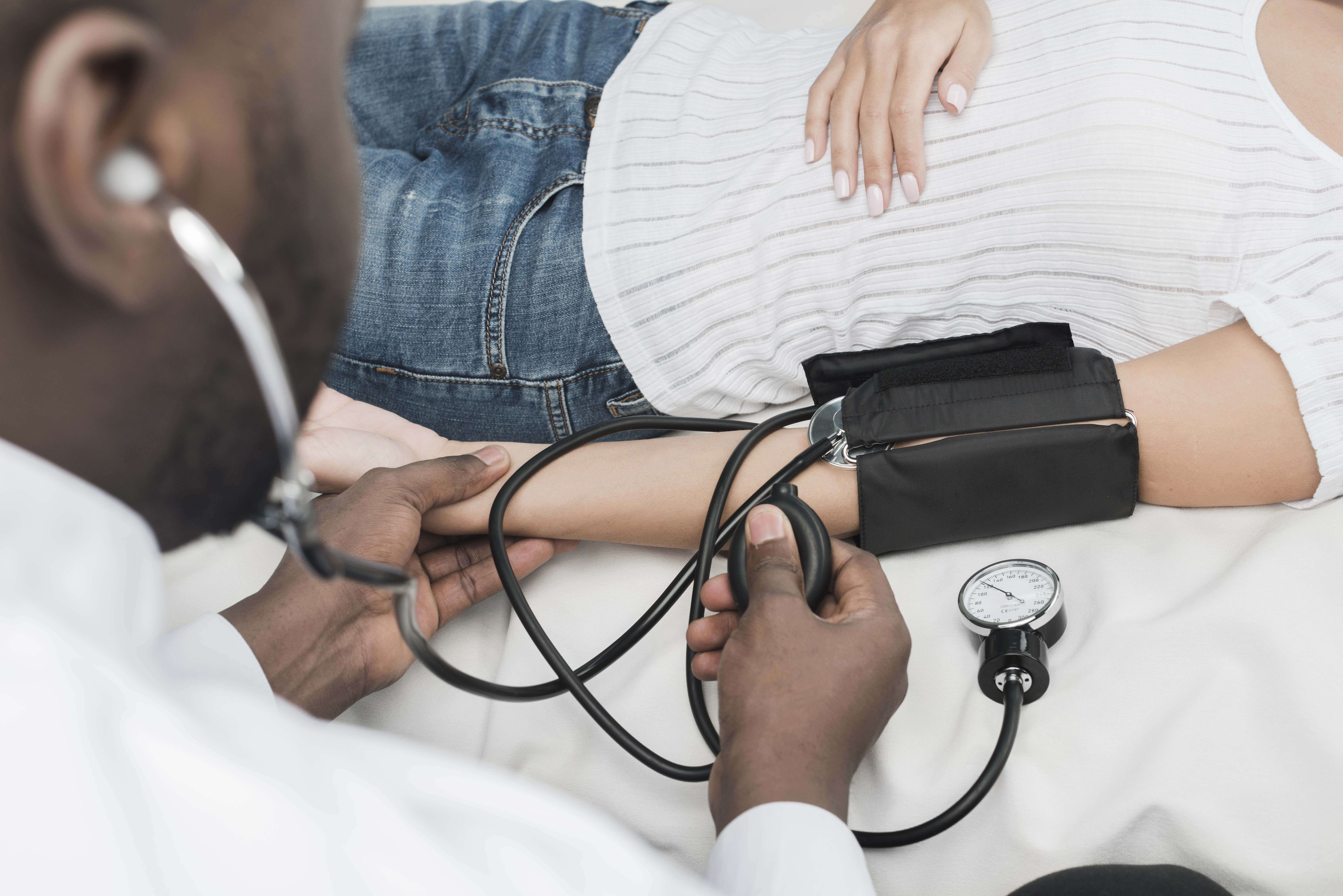
- Monitor your blood pressure regularly
How to Control High Blood Pressure
Effective high BP control involves long-term habits and, when needed, medication. Home monitoring, reducing salt intake, staying active, and following your doctor’s treatment plan are key steps in managing hypertension.
Reducing Hypertension
Many risk factors for hypertension are preventable. Losing excess weight, stopping smoking, reducing alcohol consumption, and improving your diet can significantly lower blood pressure and reduce cardiovascular risk.
Preventing Hypertension
Prevention is always better than treatment. Healthy eating, regular physical activity, and routine health checks can help prevent high blood pressure from developing. People with diabetes, kidney disease, or a family history of hypertension should be especially proactive.
Morning Hypertension
Some people experience higher blood pressure shortly after waking. This is known as morning hypertension and may increase the risk of heart attack or stroke. Regular monitoring and reviewing medication timing with your doctor can help manage this condition.
White Coat Hypertension
White coat hypertension occurs when blood pressure readings are high in a medical setting but normal at home. Home monitoring or 24-hour ambulatory blood pressure monitoring can help determine whether hypertension is truly present.
When Should You See a Doctor?
Book an appointment if:
- Your blood pressure is consistently above 130/80 mmHg
- You experience headaches, dizziness, chest pain, or shortness of breath
- You have diabetes, kidney disease, or a family history of heart disease
- Your current treatment is not controlling your blood pressure
Conclusion
Maintaining healthy blood pressure is one of the best ways to protect your heart, brain, and kidneys. Regular monitoring, healthy lifestyle habits, and professional medical advice can help you prevent or manage hypertension and improve your overall wellbeing.