Anxiety Doctor Near Me: Professional Help for Panic and Anxiety Attacks
Introduction
Anxiety doctor near me is a critical search for individuals experiencing recurring anxiety or panic attacks, which are sudden, intense episodes of fear or discomfort that can significantly disrupt daily life. While occasional anxiety is a normal reaction to stress, frequent or severe attacks may signal an underlying anxiety disorder that requires professional intervention. Seeking timely help from a qualified anxiety doctor or psychiatrist ensures proper diagnosis, personalised treatment, and access to effective coping strategies.
Anxiety and panic attacks manifest in many ways, including racing thoughts, hyperventilation, heart palpitations, stomach anxiety, and even nocturnal panic episodes. Women may experience unique symptoms influenced by hormonal cycles, while situational triggers, such as driving or public speaking, can exacerbate the condition and affect safety. Consulting an anxiety doctor near me allows patients to identify triggers, understand their condition, and receive guidance tailored to their individual needs.
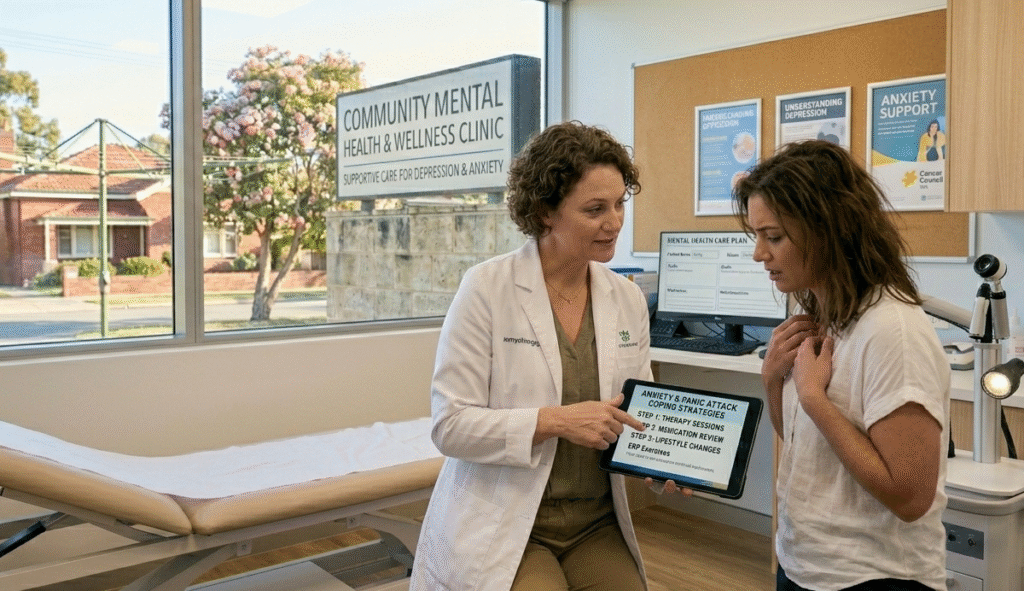
Professional clinics provide a range of treatment options for anxiety and panic disorders, including Cognitive Behavioral Therapy (CBT), lifestyle interventions, stress management techniques, and, when necessary, medication. Flexible consultation formats, including in-person visits and telehealth sessions, make it easier for patients to access expert care conveniently. These services also help individuals develop long-term strategies for managing anxiety, preventing escalation, and improving overall emotional wellbeing.
Early intervention through anxiety doctor near me services improves recovery outcomes, reduces symptom severity, and empowers patients with tools to regain control over their lives. By addressing anxiety disorders promptly, individuals can restore confidence, maintain productivity, and improve relationships while significantly enhancing quality of life.
Whether experiencing mild or severe symptoms, seeking professional help from an anxiety doctor or psychiatrist is a proactive step toward mental health recovery. Accessing expert care ensures patients receive personalised, evidence-based support, helping them navigate anxiety and panic attacks with confidence and long-term success.
Understanding Anxiety Attacks vs Panic Attacks
- Anxiety Attack: Gradual buildup of tension and worry, often triggered by work, social situations, or stressors
- Panic Attack: Sudden onset of intense fear with physical symptoms like rapid heartbeat, sweating, chest pain, or shortness of breath
- Common Triggers: Stressful events, driving, sleep disturbances, or social situations
- Importance of Professional Treatment: Early evaluation helps manage symptoms, prevent complications, and improve quality of life
Common Symptoms of Anxiety Attacks
- Rapid heartbeat or palpitations
- Shortness of breath or hyperventilation
- Stomach discomfort, nausea, or “butterflies”
- Racing or anxious thoughts
- Sweating, trembling, or dizziness
- Sleep disturbances and nocturnal panic attacks
- Gender-specific manifestations: Women may experience heightened emotional sensitivity or hormonal influences
Situational Anxiety: Triggers and Specific Cases
Anxiety While Driving
- Fear of losing control or causing accidents
- Can lead to avoidance behavior
- Therapy and gradual exposure techniques help overcome driving anxiety
Nocturnal Panic Attacks
- Panic attacks that occur during sleep
- Symptoms: Waking abruptly with heart palpitations, shortness of breath, or sweating
- Treatments: Sleep hygiene, therapy, stress reduction, and relaxation techniques
Treatment Options for Anxiety and Panic Attacks
- Cognitive Behavioral Therapy (CBT): Identifies triggers and reshapes negative thought patterns
- Exposure Therapy: Gradual confrontation with feared situations to reduce anxiety
- Medication: Anti-anxiety drugs, SSRIs, or beta-blockers for symptom management
- Lifestyle Adjustments: Mindfulness, relaxation techniques, regular exercise, and healthy sleep routines
- Support Networks: Counseling, group therapy, and peer support for additional guidance
Benefits of Professional Anxiety Treatment
- Reduced frequency and intensity of anxiety and panic attacks
- Improved emotional regulation and coping strategies
- Enhanced daily functioning and quality of life
- Prevention of anxiety-related complications, such as depression
- Personalized treatment plans addressing unique triggers and symptoms
Important Considerations
- Seek professional evaluation for recurring or severe attacks
- Track triggers and symptoms to inform therapy
- Combine therapy, medication, and lifestyle modifications for optimal results
- Early intervention improves long-term outcomes and emotional wellbeing
Frequently Asked Questions
- What is the difference between an anxiety attack and a panic attack?
Anxiety attacks build gradually with stress, while panic attacks occur suddenly with intense fear and physical symptoms. - Can anxiety attacks happen at night?
Yes, nocturnal panic attacks occur during sleep, often waking individuals abruptly. - Are anxiety attacks more common in women?
Women may experience more frequent or intense anxiety due to hormonal and social factors. - Can panic attacks be treated?
Yes, therapy, medication, and lifestyle adjustments can significantly reduce symptoms. - What should I do during a panic attack?
Practice deep breathing, grounding techniques, and seek professional guidance if attacks are frequent.
Conclusion & Call to Action
Anxiety and panic attacks can disrupt daily life, but effective treatment through therapy, medication, and lifestyle interventions can dramatically improve symptoms. Recognizing triggers, seeking professional help, and implementing coping strategies empower individuals to regain control and enhance their quality of life.
Call to Action:
“Book a consultation with a qualified mental health professional today and take the first step toward managing anxiety and panic attacks effectively.”